Riding the Swish: Why Your Weight Loss Looks Like a Water Slide (And That's OK)
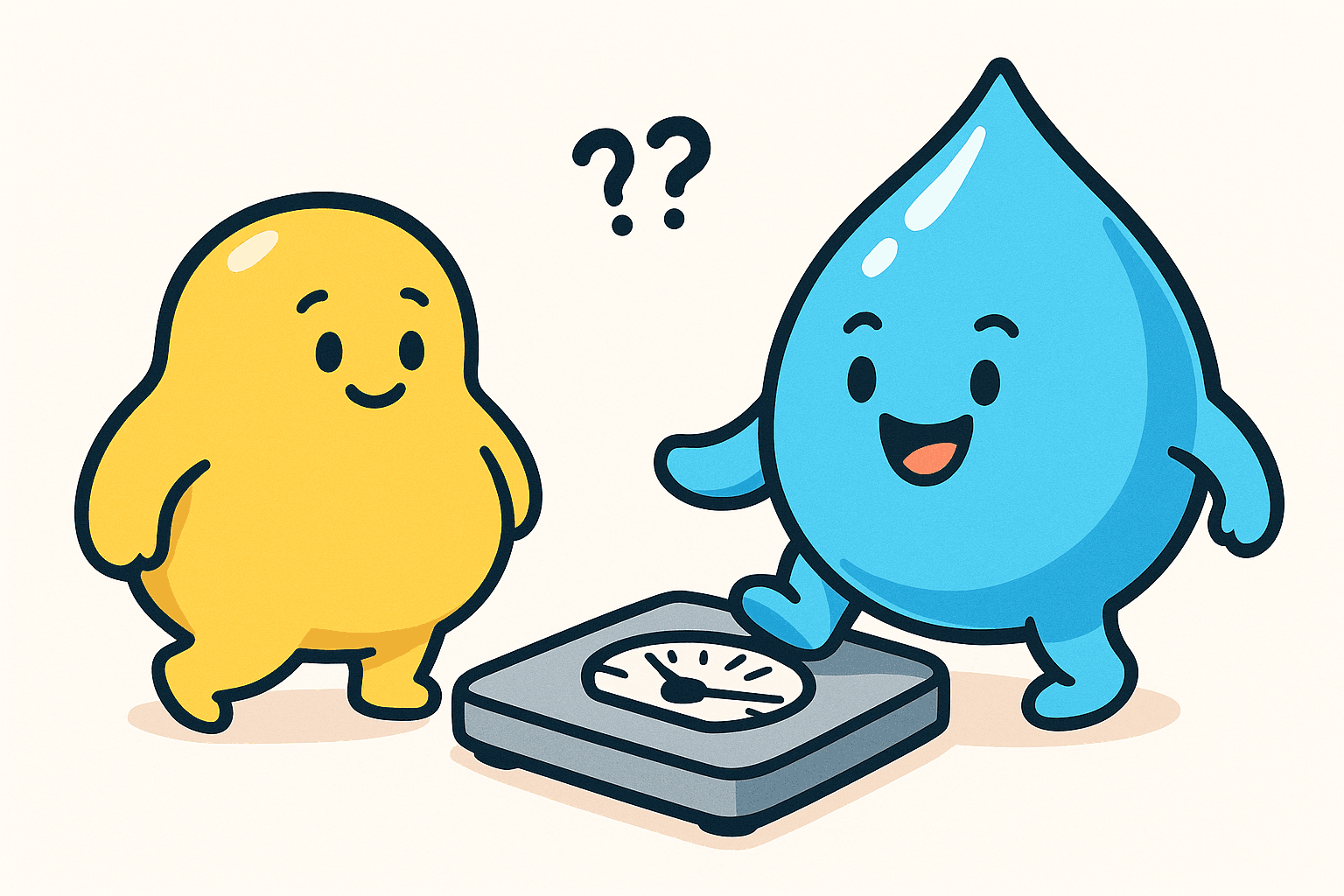
People on a diet sometimes report a mysterious phenomenon: they slog through days of strict eating without seeing the scale budge, then seemingly overnight their weight drops like a stone. The internet has dubbed this the whoosh or swish effect. While memes portray fat cells filling with water and suddenly "whooshing" it away, there's no evidence that fat cells temporarily become water balloons. Scientists do know that glycogen — the carbohydrate stored in your liver and muscles — binds water at a ratio of about 1 g of glycogen to 3–4 g of water. When you reduce calorie intake, these stores shrink and release their stored water, causing a sudden drop on the scale. So the swish isn't magic; it's mostly water leaving your tissues.
Why the Scale Stalls and Then Drops
The human body is a dynamic system, not a factory. On any given day your weight reflects not just fat but also water, food, bowel contents, and even how much salt you ate last night. Several factors can create a temporary plateau:
-
Glycogen cycling. Low‑carb or low‑calorie days deplete glycogen and its attached water. Refeeding (eating more carbohydrates) refills glycogen and its water, making the scale bounce around. This explains those early dramatic drops on keto diets — most of the weight lost in the first week is water, not fat.
-
Water retention from stress and hormones. Restrictive dieting can elevate cortisol (a stress hormone) which promotes fluid retention. High stress also increases cravings and energy intake in some people, making weight loss less predictable.
-
Digestive traffic. Constipation or simply having more food in your gut can add pounds that have nothing to do with body fat.
-
Sodium, menstrual cycles and medications. High salt intake, hormonal fluctuations and certain medications can lead to temporary water retention.
When these factors align, the scale may refuse to move for days. Eventually, glycogen stores deplete, cortisol levels stabilise and the body lets go of excess fluid. That's the "swish" — not fat cells bursting, but a delayed accounting of water weight.
Ready to see your real progress?
TrendWise smooths out daily weight fluctuations so you can focus on your actual trend. Start your 30-day free trial today.
How to Stay Sane During a Swish
-
Look at trends, not daily numbers. A single weigh‑in tells you very little. Weigh yourself at the same time of day, a few times per week, and use an app to track the trend line. Patterns over weeks matter more than day‑to‑day noise.
-
Track more than weight. Circumference measurements, how your clothes fit and progress photos provide a fuller picture. Body recomposition (losing fat while gaining muscle) can make the scale stagnate while your physique improves.
-
Manage stress and sleep. High stress can hinder fat loss by increasing cortisol. Prioritise sleep, incorporate relaxation strategies (meditation, yoga, leisurely walks) and avoid extreme restriction.
-
Fuel and hydrate properly. Don't fear carbohydrates; they replenish glycogen and support training. Staying hydrated prevents your body from clinging to water.
Final Thoughts
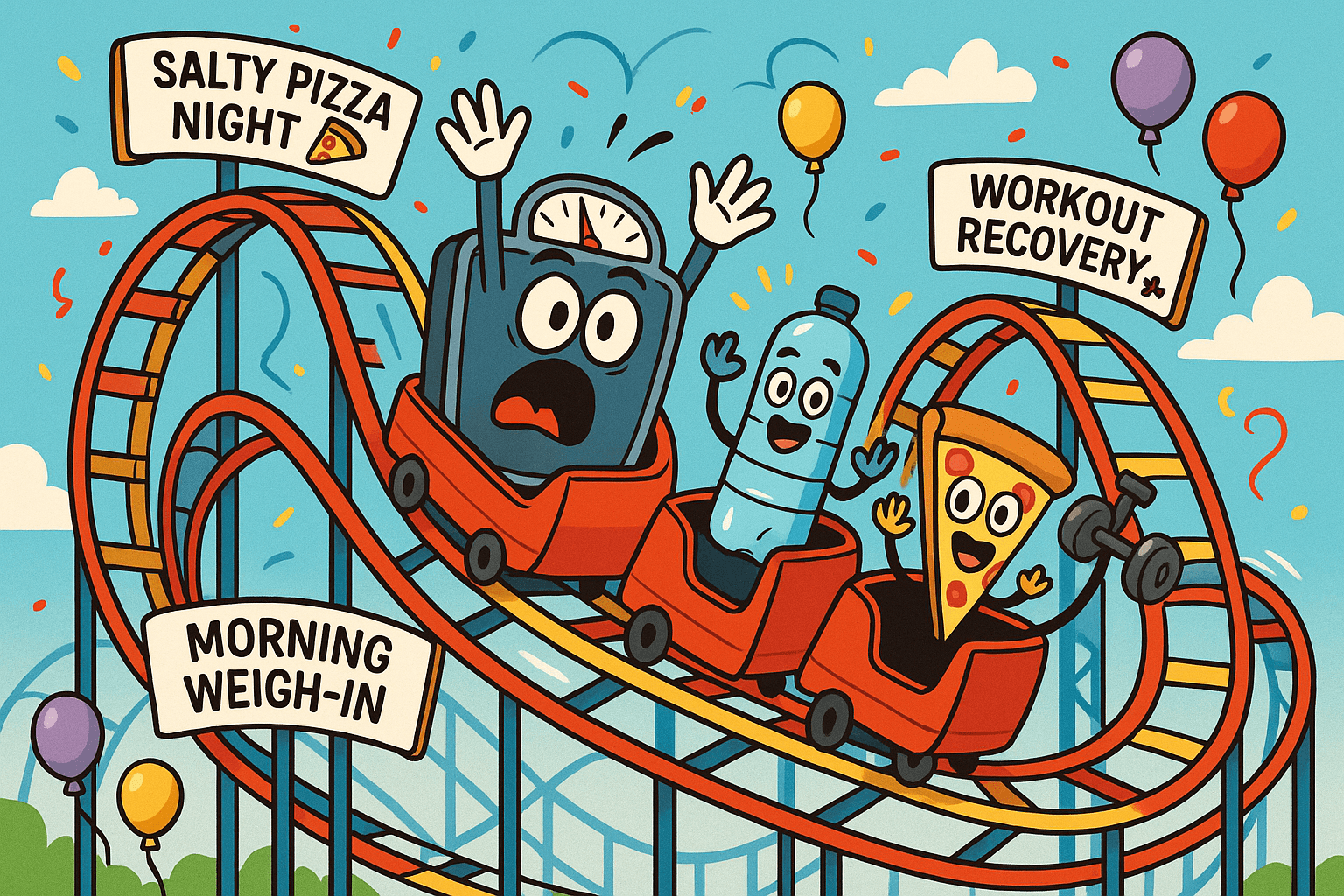
Weight loss is more like a roller coaster than a slide. Expect plateaus, small gains and occasional whooshes. The swish effect is a reminder that the scale measures more than fat; it reflects water, hormones and life stressors. Rather than letting daily numbers dictate your mood, celebrate consistent habits, watch the long‑term trend and enjoy the ride. After all, being patient and kind to your body is not only kinder to your psyche but often leads to better, more sustainable results.
Stay Updated
Get insights on weight tracking, trend analysis, and building healthier habits delivered to your inbox.
Email signup form coming soon...